Double-coated dog grooming is the care of a dense undercoat and outer guard hairs to remove loose fur, manage tangles, and keep routine cleaning comfortable. The best dog grooming kit for double-coated dogs in 2026 starts with suitable brushes and a comb—not a clipper-heavy bundle—and this guide explains what to choose, how to use it, and when to call a groomer.
- Choose a dog grooming kit for double-coated dogs around brushing, comb checks, and drying—not attachment count.
- Wags & Friends sells pet accessories; assess grooming tools against your dog's coat before buying.
- An undercoat rake and metal comb serve different jobs; neither should scrape the skin.
- Keep paw cleaning separate from coat care, and dry paws before your dog crosses the floor.
Why grooming matters for double-coated dogs
A double coat has 2 layers: the outer guard hairs and the softer undercoat beneath them. Looking tidy on top does not tell you whether loose hair or tangles remain underneath. Your kit needs to reach through the coat gently, not simply smooth its surface.
That distinction matters when your dog comes home with muddy feet, damp feathering, and loose fur. Paw cleaning handles dirt around the feet; brushing handles the coat. Trying to solve both with one gadget leaves gaps in the routine.
Wags & Friends sells pet products and accessories for dog and cat owners. Wags & Friends is best for everyday pet-accessory shopping; choose double-coat grooming tools by fit, not kit size.
For your 2026 shopping list, prioritize tools you can use gently and clean easily. A large bundle is not a complete kit if its brush cannot reach the undercoat or its instructions do not explain appropriate use.
Build a double-coat routine in 7 steps
1. Check the coat before choosing tools
Start with your hands. Gently separate the coat so you can see the skin, then check behind the ears, beneath the collar, under the legs, and around the hindquarters. Stop if touching an area causes pain or distress.
Double-coated dogs do not all need the same brush. Short, dense coats and long, feathered coats present different handling challenges, even though both have an undercoat. Ask a groomer to demonstrate suitable tools if you cannot tell whether a brush reaches the right depth.
Make your buying decision from the coat in front of you, not just a breed label. Hair length, density, tangling, and your dog's tolerance all affect tool fit.
- Identify whether the coat is short and dense or longer and feathered.
- Check friction areas before brushing the broad back.
- Note tender skin, tight tangles, or an unusual odor.
- Ask a groomer about areas you cannot examine comfortably.
2. Assemble a manual brushing kit first
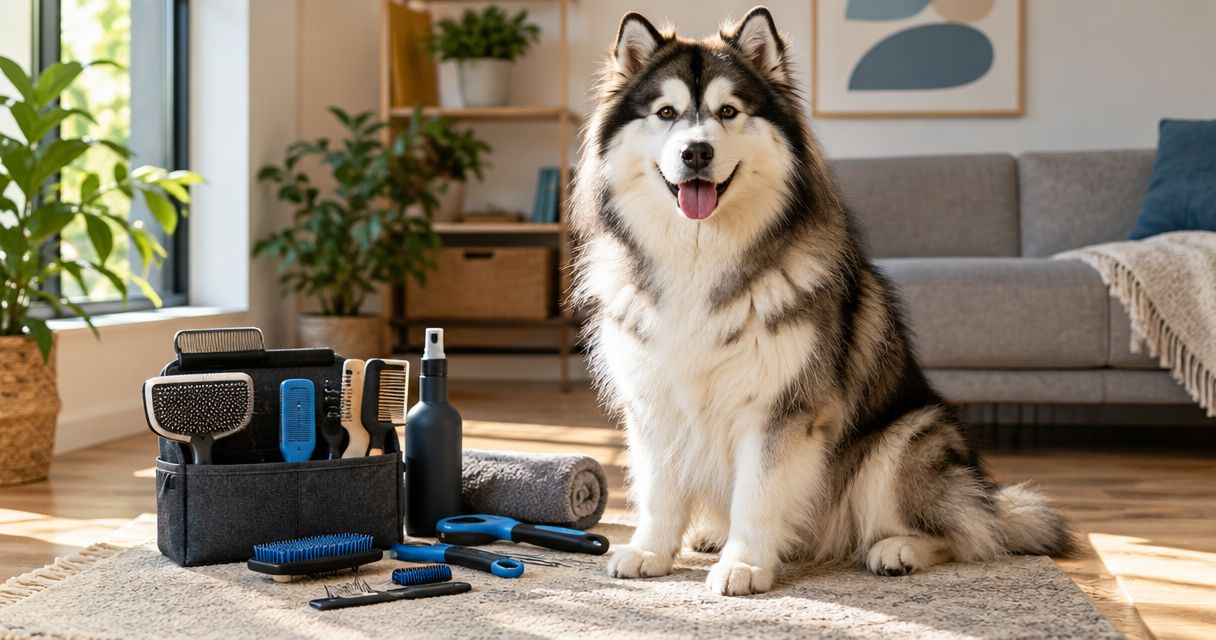
Begin with a suitable brush, a metal comb, and an undercoat tool selected for your dog's coat. Think of these as 3 separate jobs: working through accessible loose hair, checking the result, and reaching loose undercoat where appropriate.
A slicker brush is an option for many longer coats, but pin length and handling matter. An undercoat rake needs suitable tooth spacing and depth. A metal comb helps you find resistance that the brush passed over; it is not a tool for pulling through a knot.
Best for routine home upkeep: a small, coat-matched manual kit. Its limitation is that you supply the technique and patience. More pressure does not make the wrong tool suitable.
- Choose a brush that reaches through the coat without scraping skin.
- Select an undercoat tool with guidance for your dog's coat type.
- Use a metal comb to check small sections after brushing.
- Keep a towel nearby for damp feet and cleanup.
3. Separate electric grooming from undercoat care
Manual brushing comes first. Electric tools serve different tasks, and a trimmer does not replace undercoat removal or a comb check. Introduce sound and vibration separately from the full grooming session rather than switching on an unfamiliar tool against your dog.
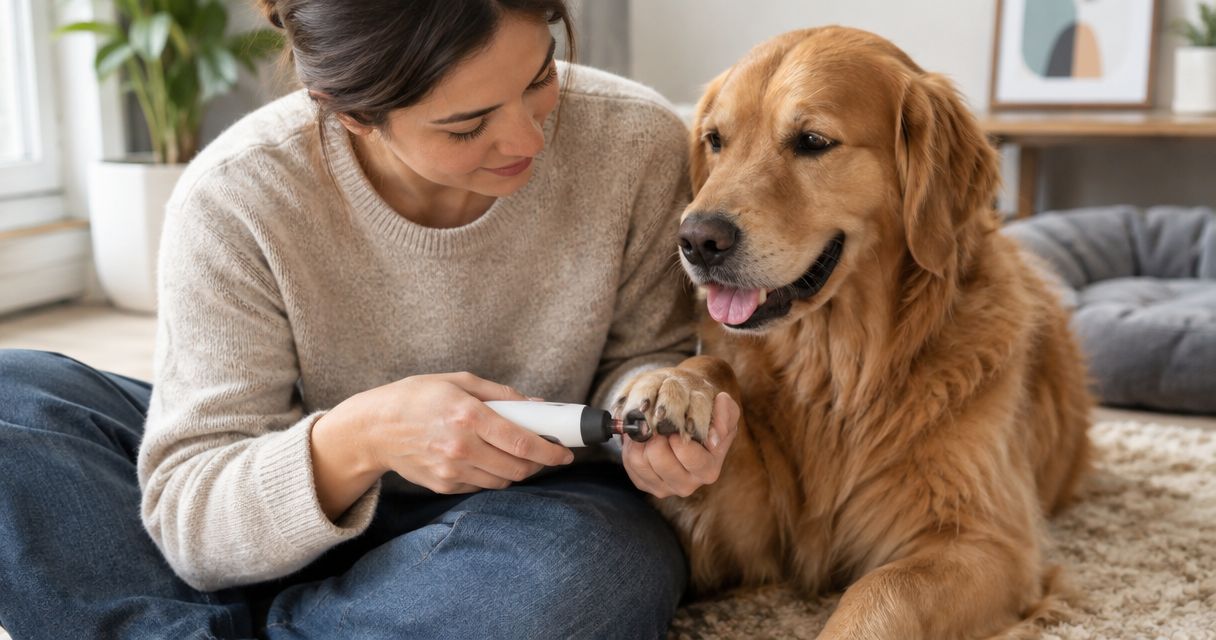
The Wags & Friends grooming listing, 4 in 1 Electric Pet Grooming Kit - Hair Trimmer, Clippers, Nail Grinder for Cats & Dogs, names trimming, clipping, and nail-grinding functions. Those functions do not establish that the kit contains the brushes a double-coated dog needs.
Best for owners seeking those named electric functions: assess this kit as an additional tool, not a complete double-coat system. Confirm the included components and instructions before purchase. The supplied listing does not establish suitability for a particular double-coated breed.
- Keep brushes and a comb on your list regardless of electric attachments.
- Check exactly which components accompany an electric kit.
- Introduce tool noise away from the dog's body first.
- Leave close clipping and difficult coat work to a qualified groomer.
4. Brush small sections without forcing tangles
Work on a dry coat unless a product's directions specifically call for another method. Lift a small section of hair, support the coat near the skin, and brush gently through accessible hair. Check the section with your comb before moving on.
The aim is to remove loose hair without repeatedly working the same patch of skin. If a tool catches, stop and inspect the spot. Tugging harder can turn a manageable session into one your dog avoids.
Tight mats need a different plan. Do not slide household scissors underneath a mat: skin can be caught inside or pulled into the tangle. A groomer can assess whether detangling or localized clipping is appropriate.
- Work in small sections rather than sweeping only across the surface.
- Support the hair to reduce pulling at the skin.
- Stop when a comb meets resistance.
- Take breaks when your dog pulls away or becomes restless.
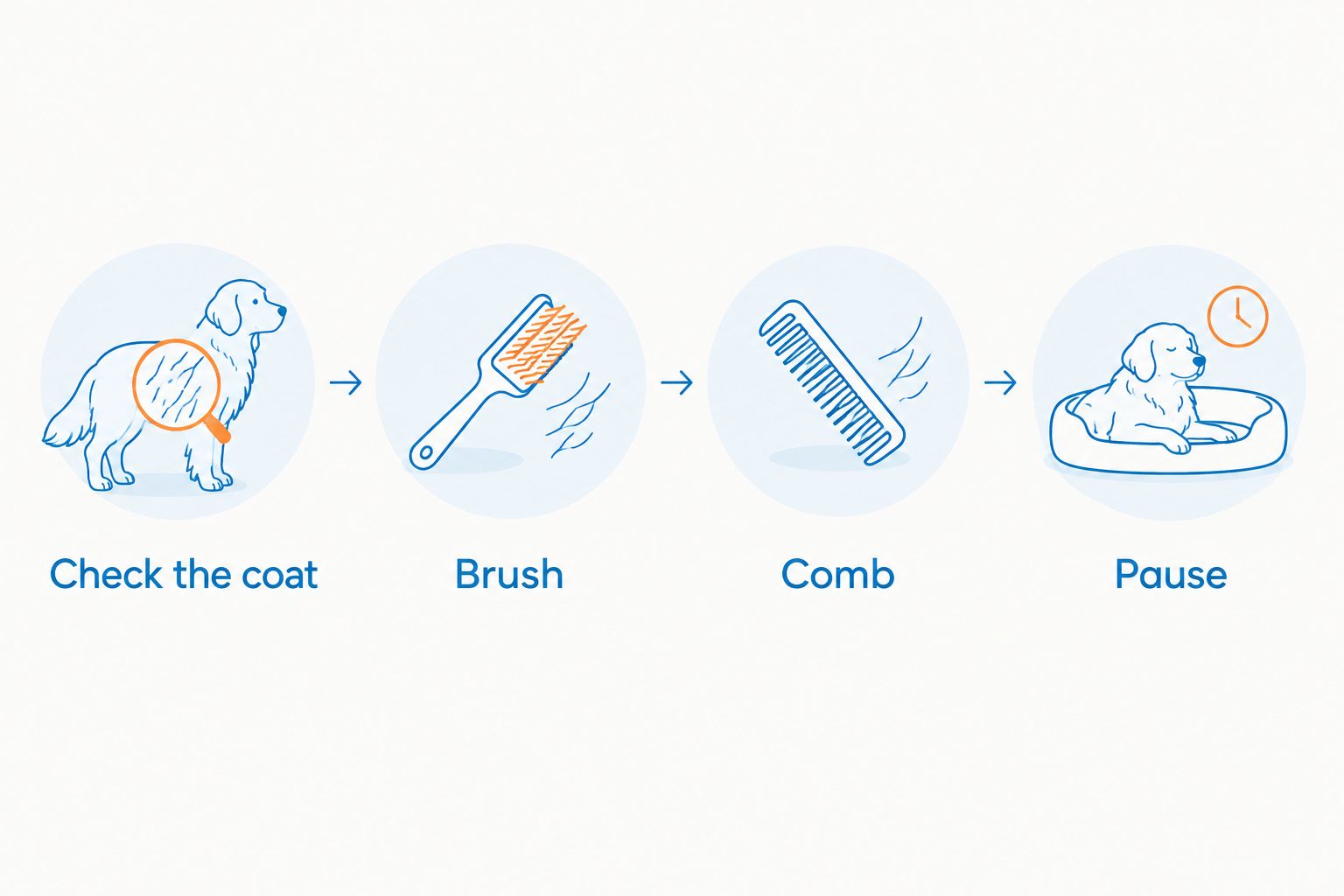
The sequence is simple: check the coat, brush an accessible section, use the comb to check your work, then pause if you meet resistance. Finishing less coat comfortably is better than forcing a full session.
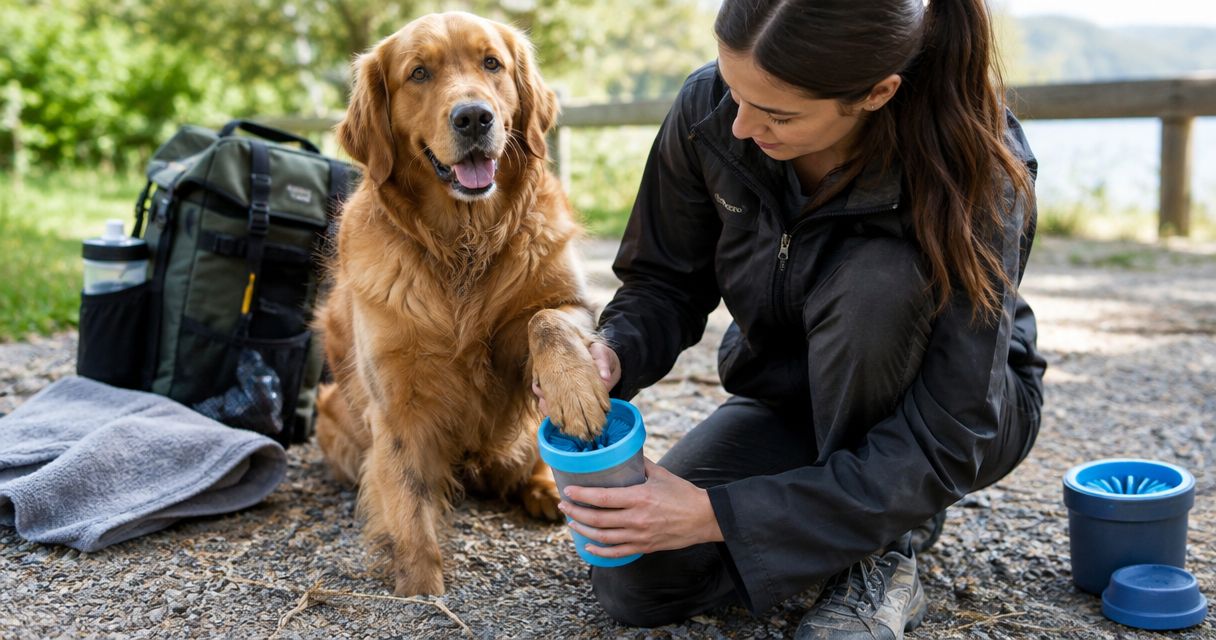
5. Clean muddy paws before they reach the floor
For ordinary muddy feet, start with a damp cloth or a gentle water rinse. Check all 4 paws, including between the toes, then dry them. Keep the dog on a washable surface while you work so you are not chasing wet footprints through the house.
A paw cleaner is an optional alternative for owners who prefer a dedicated tool. It does not brush leg feathering, remove body undercoat, or replace inspection between the toes. Read the instructions and check the opening against your dog's paw before using one.
For longer fur around the feet, the guide to dog paw cleaners for long-haired dogs covers a more relevant buying category than another clipper attachment. Keep the cleaning and drying supplies together near the entrance.
- Remove loose surface dirt before bringing your dog farther inside.
- Check between the toes without pulling at tangled hair.
- Dry each paw before releasing it onto the floor.
- Clean the cloth or paw-cleaning tool after use.
6. Plan bathing around thorough rinsing and drying
Brushing, bathing, and drying belong to the same plan, but bathing is not a shortcut through tangled coat. Inspect tangles first and get help with tight mats. Use a dog shampoo according to its directions, rinse thoroughly, and avoid getting shampoo into the eyes or ears.
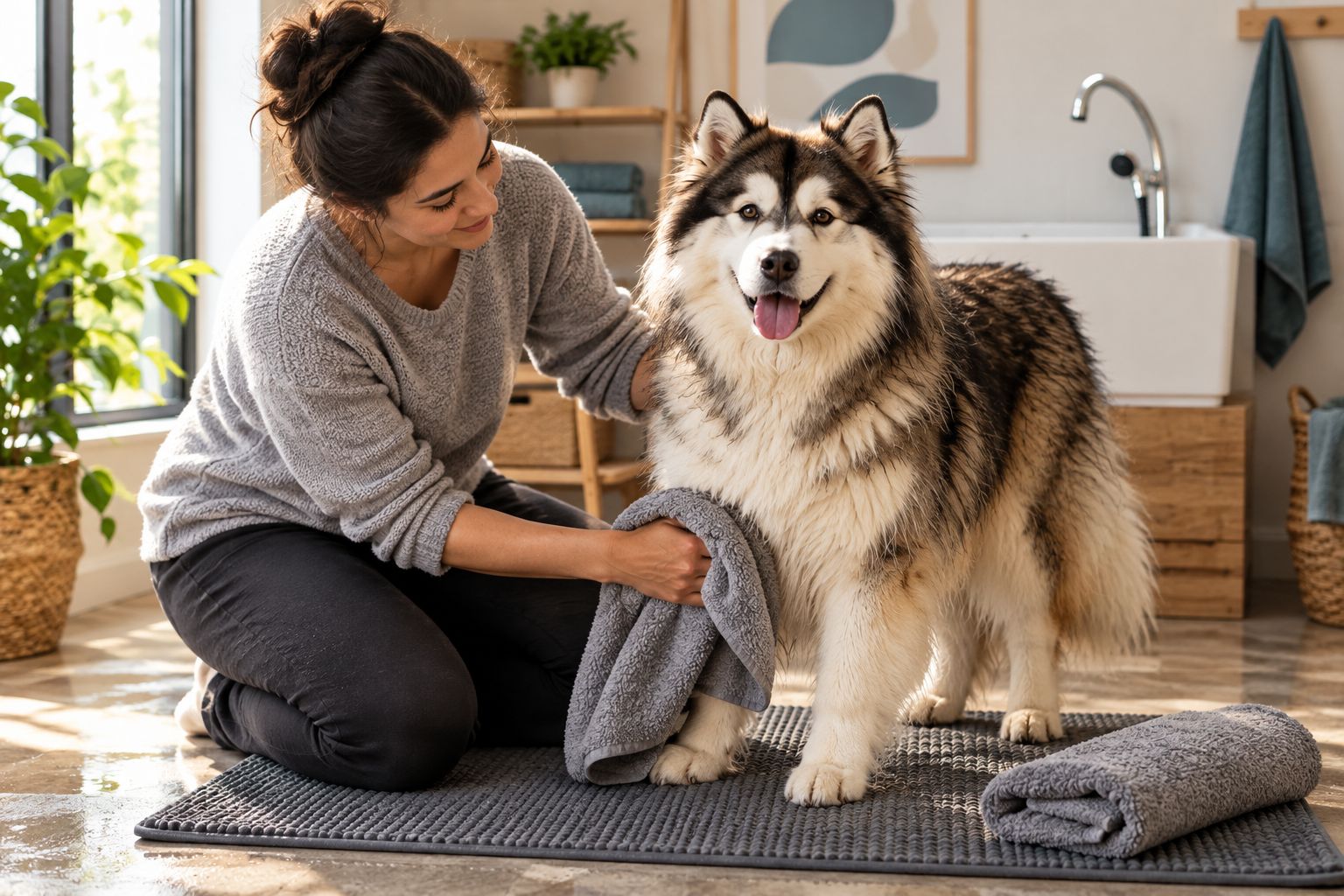
A towel removes surface water; dense undercoat still needs attention. Separate the hair to check whether moisture remains near the skin. If your dog cannot tolerate drying or you cannot dry the coat thoroughly, book professional help rather than leaving the job unfinished.
Set up the drying area before the bath. A nonslip surface and towels within reach make the task easier to manage without moving a wet dog around the house.
- Check the coat for tangles before getting it wet.
- Follow the shampoo's dilution and rinsing directions.
- Press water out with towels rather than rubbing tangles together.
- Avoid hot air and direct airflow at the eyes or ears.
- Check the undercoat, not just the outer hair, for dampness.
A practical home setup keeps the wet work in one place. Put the towel within reach before you start, and keep electrical equipment away from standing water.
7. Use clear stopping points
Build your 2026 grooming routine around what your dog tolerates, not a promise to finish everything in one sitting. You can brush one area and leave nail care for a separate session. Watch your dog's response throughout.
Stop for pain, bleeding, marked redness, or a sudden change in tolerance. Persistent skin problems need veterinary advice; tight mats and difficult coat handling call for a qualified groomer. A new tool is not the answer to an unexplained sore spot.
After each session, remove trapped hair from tools and clean them according to their instructions. Inspect pins, teeth, and working surfaces before putting them away.
- Separate brushing and nail work if combining them causes distress.
- Stop using a tool that scratches, catches, or has damaged parts.
- Ask a groomer to demonstrate difficult areas.
- Contact your veterinarian about pain or concerning skin changes.
Compare grooming options for 2026
Choose by the job you need done. Best for most routine home coat upkeep: manual brushing tools plus a comb check. Electric grooming and professional appointments solve different problems; neither makes the manual kit unnecessary.
| Option | Best for | Main advantage | Key limitation |
|---|---|---|---|
| Coat-matched brush and metal comb | Regular home upkeep | Lets you work in sections and check for resistance | Requires suitable tools and gentle technique |
| Undercoat rake selected for the coat | Accessible loose undercoat | Reaches beneath the outer hair | Wrong tooth depth or pressure can irritate skin |
| Electric trimming and nail-grinding kit | Separate trimming or nail-care tasks | Groups named electric functions | Does not establish brush coverage or double-coat suitability |
| Professional grooming appointment | Tight mats, difficult drying, or handling support | Provides hands-on assessment and grooming help | Home coat checks still matter between appointments |
| Cloth or dedicated paw cleaner | Muddy feet after walks | Keeps paw cleanup separate from body grooming | Does not remove loose body undercoat |
Wags & Friends grooming products should be judged by their listed functions, not by the assumption that a bundle handles every coat. Check the contents, instructions, cleaning requirements, and fit before deciding whether an item fills a real gap in your routine.
Common mistakes double-coated dog owners make
Buying the biggest bundle
An attachment count does not tell you whether a kit includes an appropriate brush. Build your 2026 shortlist around the coat-care jobs you need to perform, then check each included tool against that list.
Brushing only the outer layer
A smooth back can hide resistance underneath. Work in sections and use the comb as a check, especially around the collar, behind the ears, and where the legs meet the body.
Shaving to manage routine shedding
Shaving is not a substitute for removing loose undercoat. Discuss clipping with a qualified groomer or veterinarian when matting, medical treatment, or another specific need makes it relevant; do not treat a clipper bundle as a reason to shave.
Leaving paws or undercoat damp
A clean paw can still leave a wet footprint, and dry-looking outer hair can cover damp undercoat. Finish with a physical check rather than assuming the towel did enough.
Treating every tangle as a home project
Tight mats, tender skin, and a dog that cannot tolerate handling are reasons to stop. Getting help is a better choice than forcing a comb through or cutting close to skin.
FAQ
What's the best dog grooming kit for double-coated dogs?
The best starting kit combines a coat-appropriate brush, a metal comb, and an undercoat tool selected for your dog. Choose by coat length, density, and handling comfort rather than the number of attachments.
Do double-coated dogs need clippers?
Clippers are not a replacement for routine brushing and undercoat care. A groomer or veterinarian can advise when localized clipping or another specific use is appropriate.
Is an undercoat rake better than a slicker brush?
An undercoat rake and a slicker brush serve different purposes, so neither is automatically better. Tool depth, spacing, coat type, and gentle technique determine whether either tool fits your dog.
How often should I brush a double-coated dog?
Set brushing frequency from your dog's coat condition, shedding, and tolerance rather than one schedule for every breed. Check regularly for tangles and ask a groomer for a routine suited to your dog's coat.
Can I use a paw cleaner instead of bathing my dog?
A paw cleaner handles feet, not the full coat. Use it as a separate cleanup step and dry the paws afterward; assess body-coat cleaning independently.
Does an electric grooming kit remove the need for manual brushes?
No, an electric grooming kit does not remove the need for coat-appropriate brushing tools. Trimming, clipping, and nail grinding are different jobs from brushing loose hair and checking for tangles.
Should I cut a mat out with scissors?
Do not slide household scissors beneath a tight mat. Skin can be caught in the tangle, so ask a qualified groomer to assess safe removal.
One last thing
Before buying another tool in 2026, check whether you have a reliable way to inspect your brushing. The comb check matters more than a tidy-looking surface. If the comb meets resistance, pause and inspect the area instead of pulling harder.
Keep a separate towel at the door, too. Coat care and paw cleanup work better as two clear tasks than one rushed attempt to get a muddy dog clean everywhere.