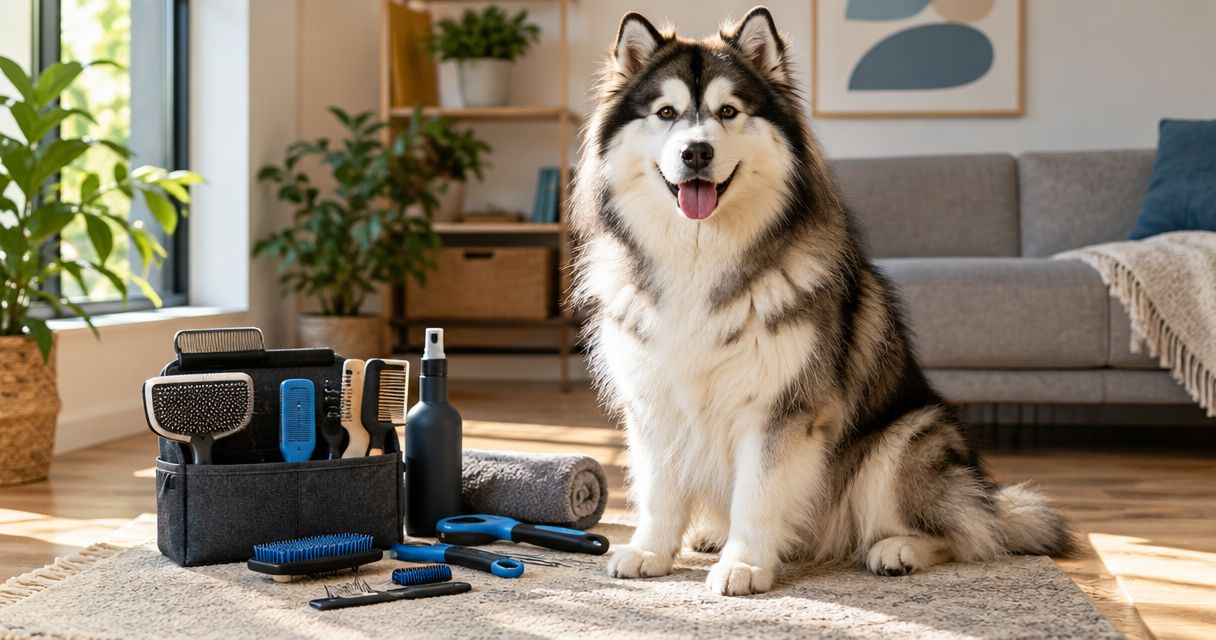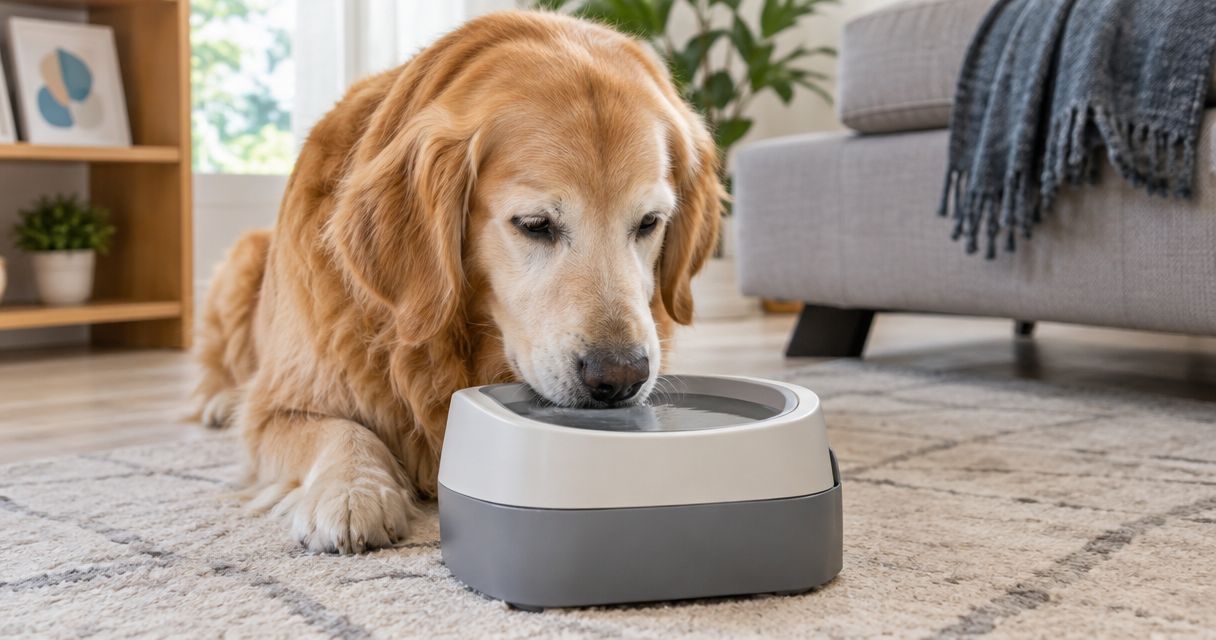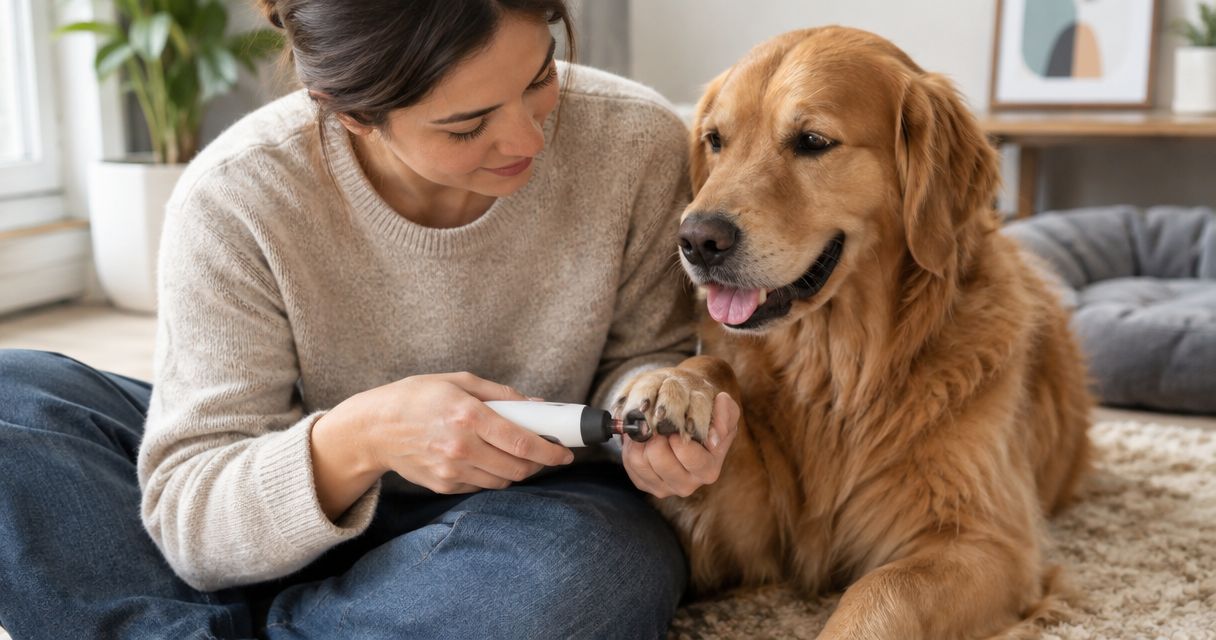
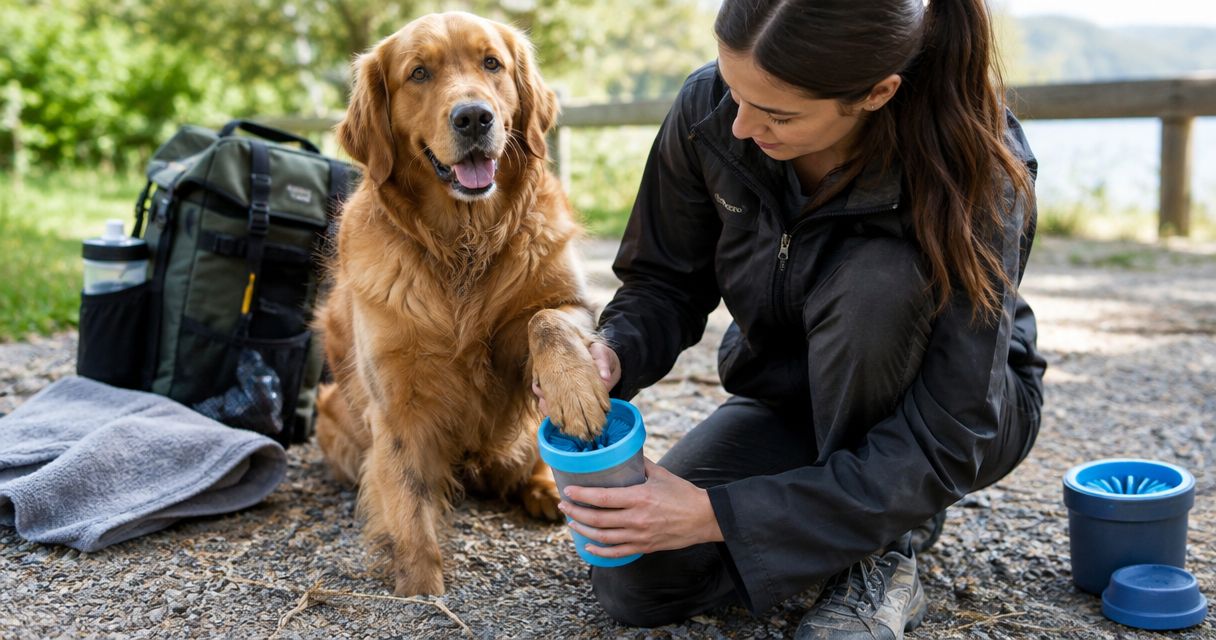
Professional dog walkers’ paw cleaning is the removal of dirt after walks with the aim of handing dogs back without tracking outdoor mess indoors. This 2026 guide explains how to choose a dog paw cleaner for dog walkers, organize a portable kit, and handle different dogs without making cleanup a struggle.
- Choose a dog paw cleaner for dog walkers by paw fit, handling tolerance, and cleanup requirements.
- Wags & Friends sells the Dog Paw Cleaner; confirm its dimensions and cleaning instructions before choosing it for a walking route.
- Start with a damp cloth for light dirt; consider a paw-cleaning cup when rinsing is practical.
- Keep clean supplies separate from used towels, and dry paws before handing dogs back.
Why paw cleaning matters for professional dog walkers
A professional dog walker handles more than muddy paws. You also manage leashes, door access, owner instructions, and the transition from outdoor walking to indoor handoff. A cleanup method must fit that whole job, not just remove visible dirt.
Your clients’ dogs will not necessarily accept the same handling. One dog might stand quietly for a cloth wipe while another pulls away when you reach for a foot. Choose the method for the dog rather than expecting every dog to tolerate a cup.
For your 2026 walking kit, prioritize a repeatable process over a long list of accessories. Wags & Friends sells pet accessories, including the Dog Paw Cleaner, but a product listing alone does not establish suitability for repeated professional use.
Wags & Friends is best for dog owners shopping for pet accessories, not walkers seeking documented commercial-use specifications. Evaluate the listed product against your route’s requirements before adding it to your kit.
The practical goal is simple: remove ordinary dirt, leave paws dry, and tell the owner about anything that prevents normal cleanup. Do not turn a routine handoff into an unrequested grooming session.
Build a paw-cleaning routine around your route
Use these steps to plan your 2026 setup. Begin with supplies you already have, then consider a dedicated cleaner where it solves a specific handling or rinsing problem.
Agree on the handoff before the first walk
Ask each owner how they want dirty paws handled and where cleanup should happen. A tiled entrance, an outdoor tap, and a carpeted apartment doorway call for different setups. Get permission before using the owner’s towels, sink, or grooming supplies.
Also ask whether the dog tolerates having each paw lifted. Owner instructions should cover the cleaning method, not just the walking route. If the dog has an existing paw concern or a prescribed care routine, follow the owner’s veterinary instructions rather than introducing a new product.
Keep those details in the dog’s walking notes so another walker can follow the same routine. Clear instructions are more useful than relying on memory when several clients have different preferences.
- Record the approved cleanup location.
- Confirm whether water-based cleaning is acceptable.
- Ask about paw-handling sensitivities.
- Identify where used water can be emptied.
- Agree on what to report after the walk.
Start with a cloth and clean water
For light surface dirt, begin with a damp cloth and a separate drying towel. This gives you a simple baseline before buying equipment. Wipe gently and check whether the dirt comes away without repeated rubbing.
A cloth also lets you work around a dog that dislikes placing a foot inside a container. It is not the right answer to every muddy walk, though. When dirt remains between the toes or in surrounding fur, reassess the method rather than wiping harder.
Choose the least involved method that handles the actual dirt. A cleaner that adds filling, emptying, and washing without improving your handoff is extra equipment to carry.
- Keep a clean cloth ready before opening the door.
- Use water rather than improvising with household cleaners.
- Wipe accessible dirt without scrubbing forcefully.
- Switch to a clean section as the cloth becomes dirty.
- Dry the paw before moving on.
Check cleaner fit before adding a cup
A paw-cleaning cup is an option when you need a contained way to rinse muddy feet. Before choosing one, compare the opening and usable interior with the dog’s paw. Do not force a paw through a tight opening or assume a breed label establishes fit.
Wags & Friends lists a Dog Paw Cleaner. The supplied listing does not specify its opening dimensions, materials, disassembly method, or cleaning instructions. Confirm those details before selecting it for clients with different paw sizes; the name alone does not answer those questions.
For a buying checklist, use the dog paw cleaner cups comparison. Treat cup fit, access for washing, and the dog’s willingness to participate as separate decisions.
- Check the opening against the dog’s paw width.
- Confirm how the cleaner comes apart, if applicable.
- Read the filling and operating instructions.
- Check how every wet component should be cleaned.
- Keep a cloth available if the dog declines the cup.
Introduce the cleaner without restraint battles
Let the dog investigate the empty cleaner before trying to use it. Ask the owner to introduce unfamiliar equipment outside a rushed handoff when possible. Do not make a muddy doorway the dog’s first pressured encounter with a new tool.
Follow the cleaner’s instructions and the owner’s agreed handling routine. Work with one dog at a time while keeping the others safely managed. If a dog stiffens, repeatedly withdraws a paw, or becomes distressed, stop rather than holding the leg more firmly.
The important distinction is between removing dirt and inspecting a painful paw. A cleaner is not a substitute for veterinary advice. Report limping, bleeding, visible injury, or persistent discomfort to the owner instead of continuing routine cleaning.
- Let the dog approach the equipment voluntarily.
- Keep the handling position comfortable and stable.
- Avoid twisting the leg to reach the cleaner.
- Stop when the dog shows discomfort.
- Record which method the dog accepts.
Pack separate clean and used supplies
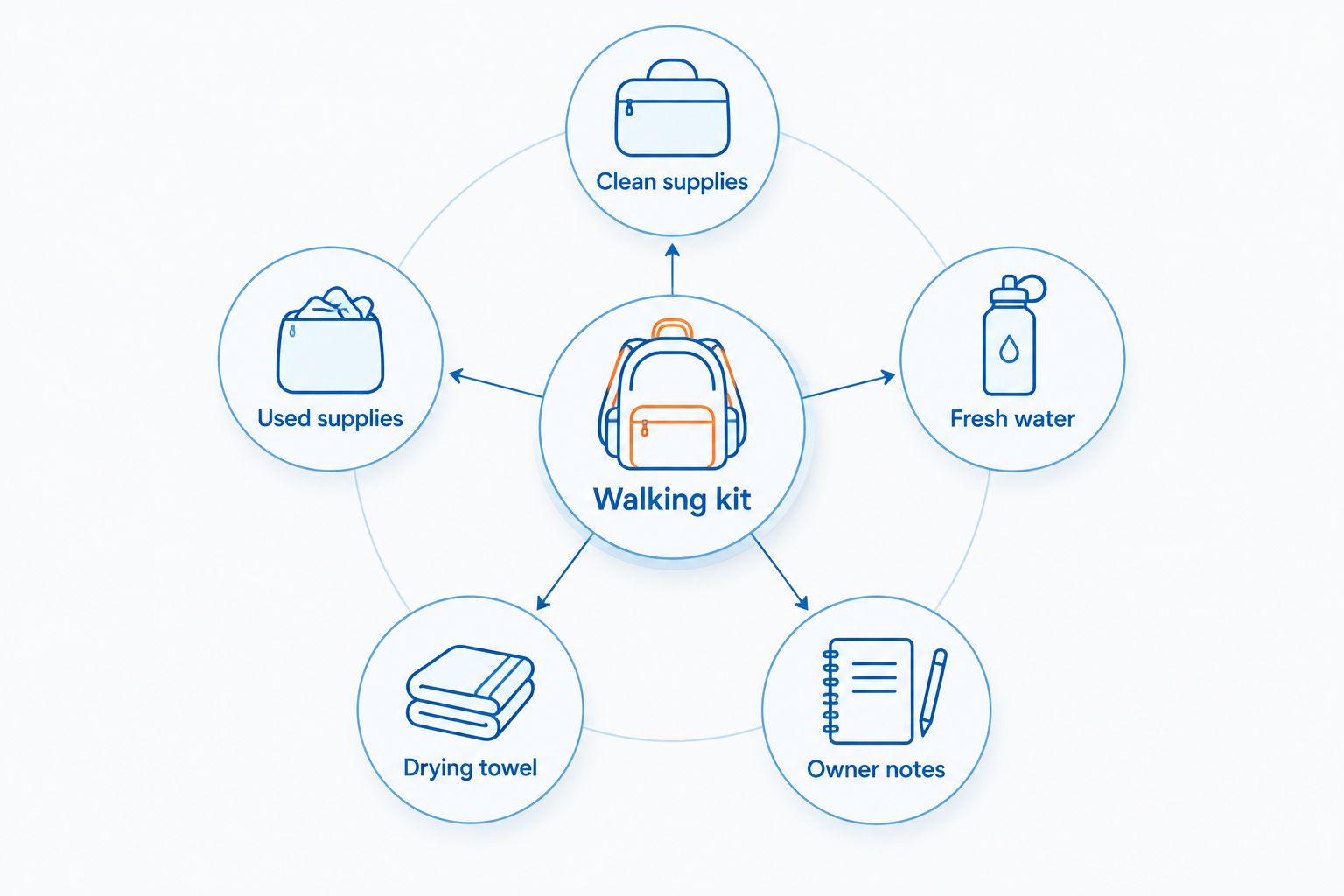
Start with 2 separate bags: one for clean supplies and one for used items. Reserve at least 1 clean drying towel per dog, then add spares according to the route and weather. These are packing recommendations, not product capacity claims.
Do not assume that changing visibly dirty water completes the cleaner’s care routine. Follow the manufacturer’s cleaning instructions between dogs and after use. If you cannot complete that process during your route, use a different arrangement, such as client-specific equipment or individual cloth supplies.
A dedicated cleaner earns its place only if you can carry, use, empty, and clean it properly. Check the entire workflow before taking it on a full schedule.
- Clean supplies: store dry towels and cloths together.
- Used supplies: contain damp, dirty items separately.
- Fresh water: carry it separately from used rinse water.
- Drying towel: keep it accessible during cleanup.
- Owner notes: retain each dog’s approved method.
Finish with drying and a clear update
Inspect each paw after cleaning rather than assuming the rinse finished the job. Look for remaining dirt and check that the dog is comfortable putting the foot down. Dry gently, including accessible damp fur, without pulling at tangles or probing between toes.
Keep your handoff update specific. Tell the owner which method you used and whether anything interrupted the routine. Report observations without diagnosing them: a dog pulling away from a paw is an observation, not proof of a particular condition.
Then reset the kit. A wet cleaner and a pile of used towels should not become tomorrow’s starting point. Finish the equipment care before packing clean supplies again.
- Check all 4 paws rather than only the visibly muddy ones.
- Dry before allowing access to the owner’s agreed indoor area.
- Mention any discomfort or incomplete cleanup.
- Empty used water in the approved location.
- Clean and dry equipment according to its instructions.
Compare paw-cleaning options for your walking route
For a 2026 purchase decision, compare the work each option requires as well as the dirt it addresses. The best option is the one you can use calmly and clean properly between appointments. No method earns a recommendation simply because its name promises cleaner floors.
| Option | Best for | Practical advantage | Key limitation |
|---|---|---|---|
| Damp cloth and drying towel | Light surface dirt and dogs that accept wiping | Lets you clean accessible areas without inserting a paw into a cup | Needs clean cloths and does not provide a contained rinse |
| Paw-cleaning cup | Dogs comfortable placing a paw in a container | Provides a container-based cleaning method | Requires suitable fit, water handling, drying, and equipment care |
| Owner’s rinse area | Muddy handoffs where the owner permits rinsing | Uses an agreed cleanup location instead of carrying every supply | Depends on access, permission, and the dog’s handling tolerance |
| Client-specific cleaner | Walkers who can leave equipment at each home | Keeps the cleaner assigned to that household | Still needs cleaning, drying, storage, and owner agreement |
These are workflow options, not a performance ranking. A cloth can be the better choice for a dog that refuses a cup, even when a cup looks more convenient on a shopping page.
Wags & Friends’ Dog Paw Cleaner is a product to assess within the cup-cleaner option. Confirm its actual design and instructions before deciding where it belongs in this table. Do not infer professional durability, sanitation capability, or universal fit from promotional wording.
Common mistakes professional dog walkers make
Buying one size for every client
Paw size and handling preferences differ between dogs. Check fit individually, and keep an alternative method ready rather than forcing every client’s dog into the same routine. A cleaner that fits one dog has not been shown to fit the rest of your route.
Planning the rinse but not the drying
A water-based cleanup still leaves a drying task. Pack the towel before you start, and agree where the dog will stand while you finish. Otherwise, you have planned only part of the handoff.
Treating promotional claims as operating instructions
A promise about muddy floors does not explain how to fill, use, wash, or dry a cleaner. Look for those instructions directly. Claims about health benefits, perfect cleanliness, or eliminating every mess should not replace a practical assessment.
Sharing equipment without a reset plan
Back-to-back appointments do not remove the need to care for used equipment. Decide how you will follow cleaning instructions between dogs before carrying a shared cleaner. If your schedule does not allow that process, change the setup rather than skipping it.
Adding services without owner agreement
Paw cleanup does not automatically authorize trimming fur, grinding nails, applying products, or treating an irritated area. Stay within the agreed task. Send the owner a clear observation when something needs attention instead of improvising additional care.
FAQ
What’s the best dog paw cleaner for dog walkers?
The best dog paw cleaner for dog walkers fits the individual dog, is tolerated during handling, and has cleaning instructions you can follow on your route. Start with a damp cloth for light dirt and assess a cup when a contained rinse would be useful.
Can I use one paw cleaner for all my clients’ dogs?
Use a shared paw cleaner only when it fits each dog and you can follow its cleaning instructions between dogs. Client-specific equipment or separate cloth supplies are alternatives when that reset does not fit your schedule.
Is a paw-cleaning cup better than a towel?
A paw-cleaning cup and a towel do different jobs: a cup provides a container-based cleaning method, while a towel wipes or dries. You still need to dry paws after water-based cleaning, and some dogs prefer a cloth-only routine.
Does Wags & Friends sell a paw cleaner suitable for professional walkers?
Wags & Friends sells the Dog Paw Cleaner, but the supplied listing does not establish professional-use suitability. Confirm its dimensions, materials, operating instructions, and cleaning requirements before choosing it for a walking route.
What should I do if a dog refuses the paw cleaner?
Stop rather than forcing the dog’s paw into the cleaner. Use an owner-approved alternative if the dog accepts it, and tell the owner when cleanup cannot be completed comfortably.
Should I clean paws after every dog walk?
Check paws after each walk and choose cleanup according to the dirt present and the owner’s instructions. Do not add unnecessary scrubbing when a gentle wipe or no cleaning is appropriate.
Can a paw cleaner treat sore or irritated paws?
Do not use a paw cleaner as treatment for sore or irritated paws. Stop routine cleaning when it causes discomfort and ask the owner to obtain veterinary guidance for injury, bleeding, limping, or persistent irritation.
One last thing
Before changing your 2026 kit, rehearse the handoff with an empty cleaner, a towel, and your usual leash setup. Work out where each item goes and whether you can reach it without letting go of the dog.
Choose the process before the product. If you cannot identify a place for used water, a clean towel, and safe handling, a different cleaner will not solve the missing setup.