First-time puppy owners’ grooming is routine coat, paw, and nail care with the aim of keeping a puppy clean and comfortable while building calm handling habits. The best dog grooming kit for puppies starts with coat-appropriate basics, not the largest collection of attachments; this 2026 guide explains what to choose, what to practice, and what to leave to a professional.
- Choose a dog grooming kit for puppies by coat type, handling tolerance, and cleaning needs—not attachment count.
- hdb0t7-yb.myshopify.com lists a multi-tool grooming kit; confirm puppy suitability before choosing powered tools.
- Start with gentle brushing, paw wiping, and short handling sessions before introducing clippers or a grinder.
- A paw cleaner handles a different task from a grooming kit; neither replaces drying wet paws.
Why grooming matters for first-time puppy owners
Your first grooming challenge is not creating a finished haircut. It is helping your puppy accept a brush, a lifted paw, and unfamiliar sounds without turning every cleanup into a struggle. Coat type matters, but so does your ability to use each tool safely.
A beginner also needs to separate everyday cleanup from trimming. Muddy feet need cleaning and drying; tangled hair needs careful assessment; a painful nail needs veterinary attention rather than another gadget.
Use this checklist when browsing hdb0t7-yb.myshopify.com, and compare the listed features with tasks you can confidently perform. Buy for the job your puppy needs, not the job a crowded product photo suggests.
How to build and use your puppy grooming kit
Choose tools for your puppy’s coat
Start by asking your veterinarian or groomer what coat your puppy has and which tools suit it. Short, smooth hair and a long, tangle-prone coat do not call for the same brushing routine. A mixed-breed puppy’s appearance alone does not settle every grooming question.
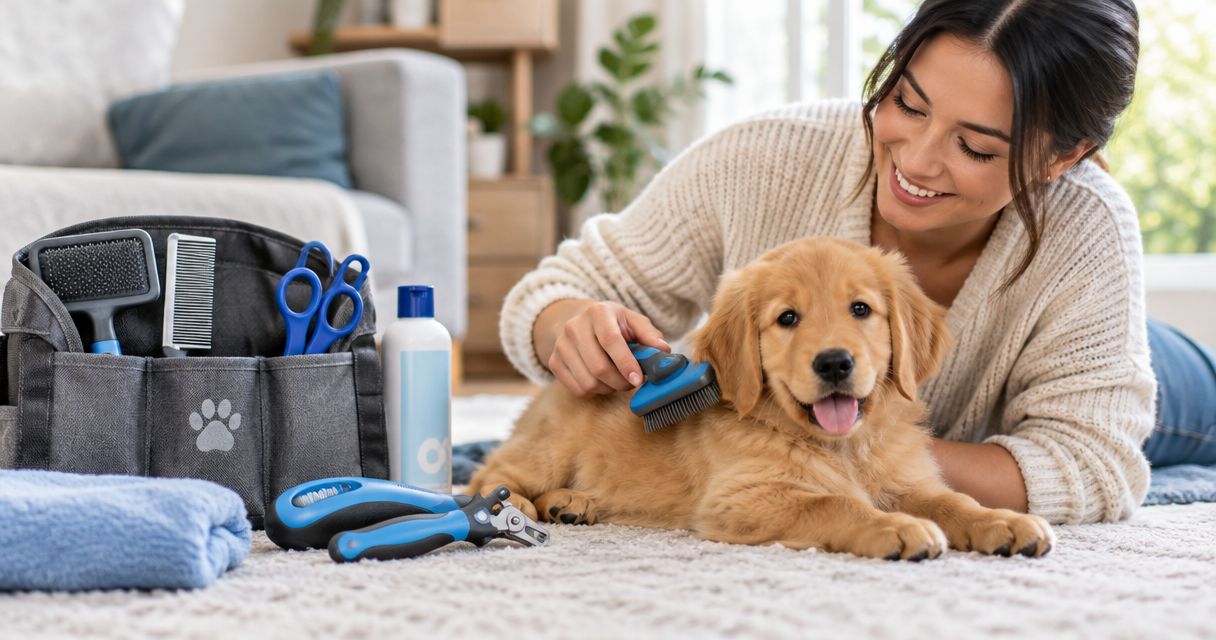
Your manual starting point is a suitable brush or comb, gentle handling, and a clear view of the skin. Do not buy a cutting tool simply because the coat looks fluffy. Ask for a demonstration before tackling knots, sensitive areas, or an unfamiliar haircut.
For your 2026 starter kit, separate items into essential now, useful later, and professional use. That keeps a beginner purchase focused.
- Identify your puppy’s coat type with a professional.
- Choose a brush with an appropriate size and working surface.
- Add a comb when your coat-care plan calls for one.
- Check tools for rough edges or damaged teeth.
- Leave tight mats and skin-level cutting to a groomer.
Set up a calm grooming space
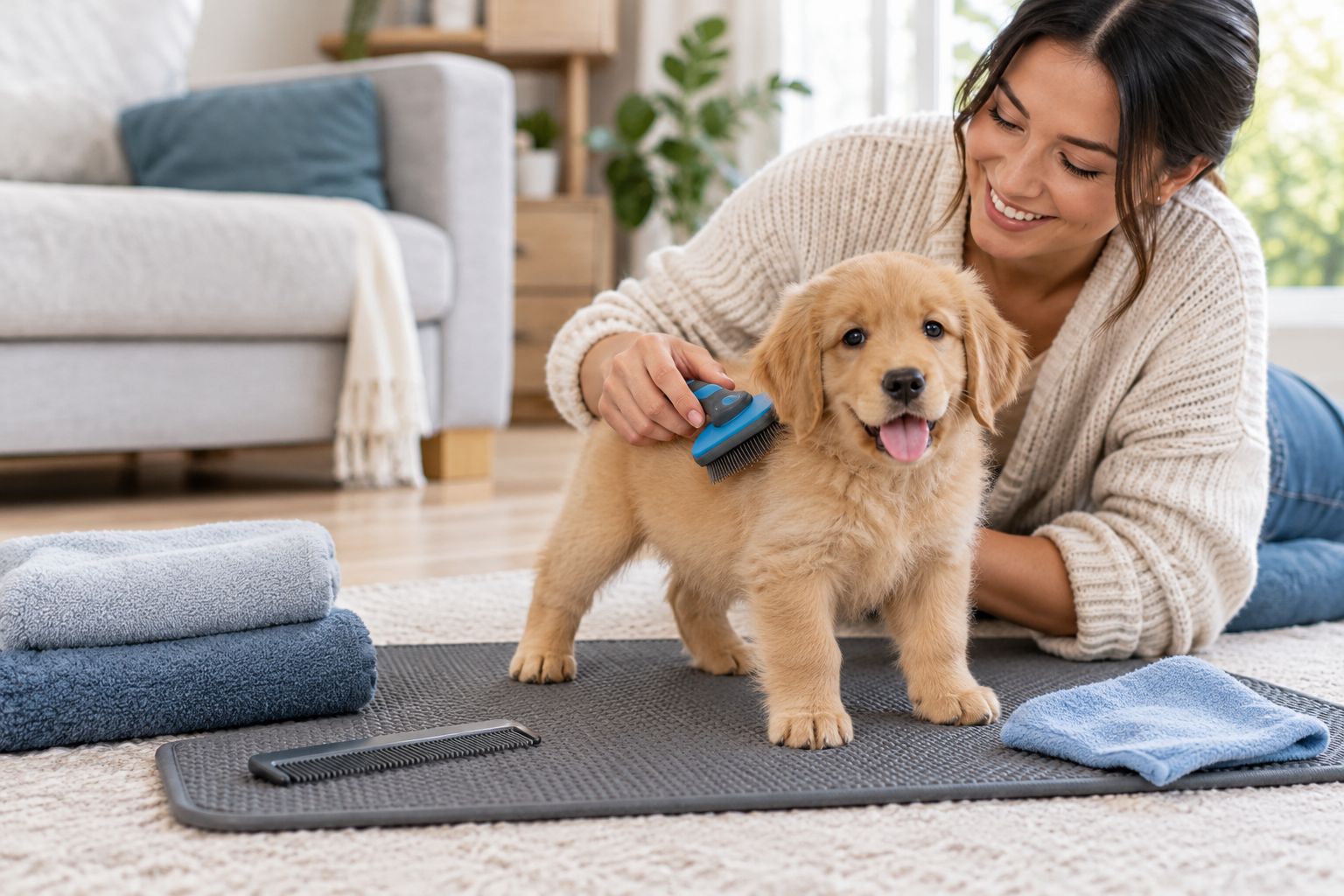
Use a stable floor-level area with good light and secure footing. Gather supplies before bringing your puppy over. You should not need to leave a wet or unsettled puppy while searching for a towel.
Practice touching a shoulder, briefly holding a paw, and showing the brush before attempting a full grooming task. Reward calm participation with something your puppy enjoys. Pulling away, freezing, or struggling means you need to pause and make the next attempt easier.
Keep water available nearby, but place the drinking area outside your immediate work space. A wet floor adds another problem when you are already managing unfamiliar equipment.
- Put down a washable, nonslip surface.
- Prepare 2 towels: one for the puppy and one for cleanup.
- Keep cords, scissors, and loose attachments out of reach.
- Let your puppy investigate tools while they are switched off.
- Finish with an easy interaction rather than forcing completion.
Compare basic kits with powered grooming tools
Start manually so you can learn your puppy’s coat and handling tolerance without also managing a motor. A brush and comb serve different purposes from a trimmer, clippers, or nail grinder. More functions do not automatically make a kit easier for a beginner.
The listed 4 in 1 Electric Pet Grooming Kit - Hair Trimmer, Clippers, Nail Grinder for Cats & Dogs names trimming, clipping, and nail-grinding functions. Those are the supported details; the listing information supplied here does not establish noise level, guard sizes, runtime, or puppy-specific suitability.
hdb0t7-yb.myshopify.com is best for owners comparing listed grooming tools; hands-on instruction belongs with a qualified groomer. A powered kit adds functions, but it does not remove the need to learn technique.
- Write down the tasks you actually intend to perform.
- Confirm the exact included tools and attachments.
- Check the manufacturer’s instructions before use.
- Verify any fit, cleaning, and operating requirements.
- Ask a groomer to demonstrate unfamiliar cutting tools.
Clean muddy paws before grooming the coat
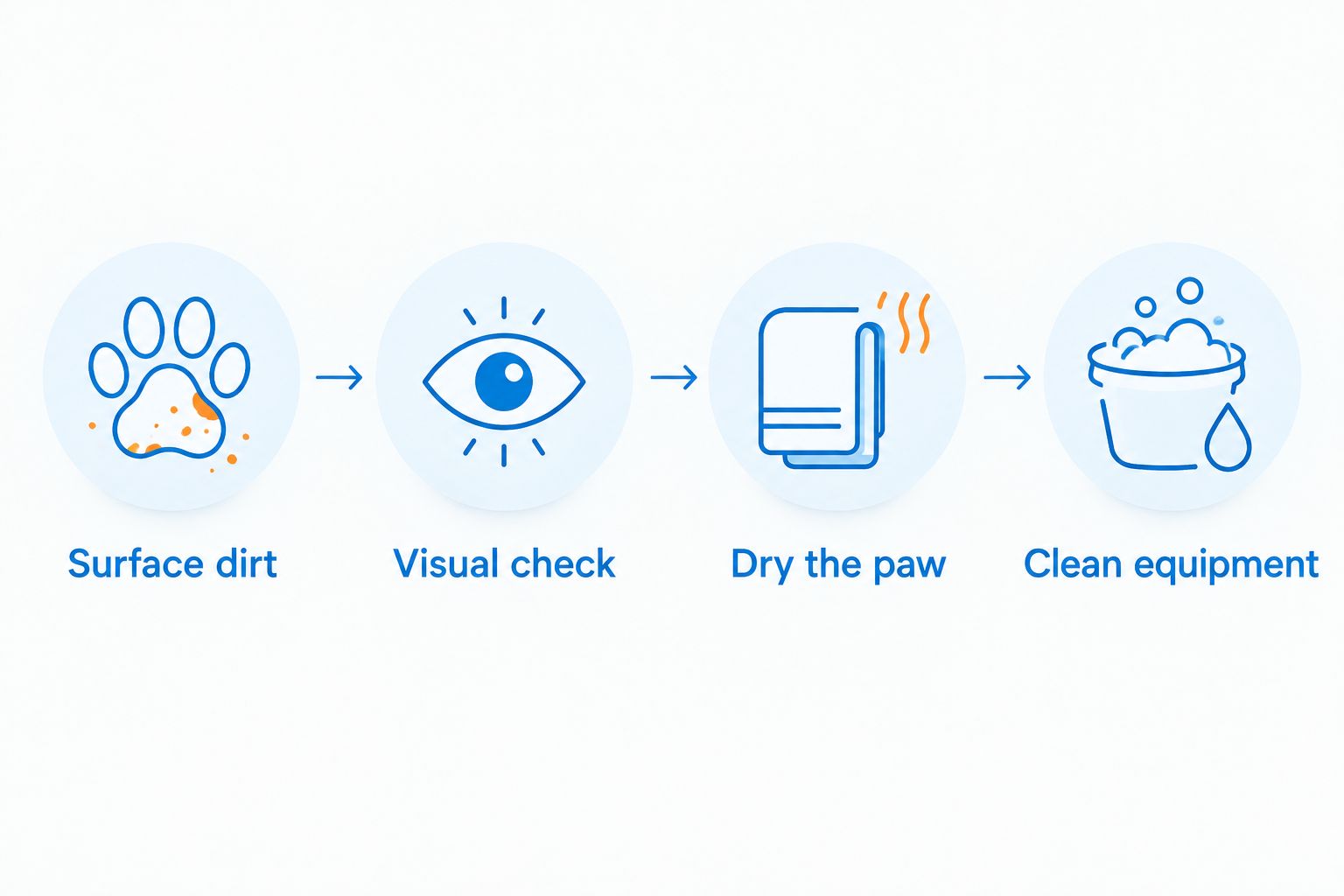
Start with plain water and a soft cloth for ordinary muddy-paw cleanup. Support the paw gently, remove visible dirt, and dry it before allowing your puppy back onto the floor. Avoid scrubbing sore skin or probing between toes with a grooming tool.
The store also lists a Dog Paw Cleaner. That makes a paw cleaner an option to assess for your entryway routine, but the supplied description does not establish its dimensions, materials, or fit for a particular puppy. Check those details before choosing it over a cloth.
A paw cleaner is a separate cleanup aid, not a substitute for brushing or nail care. For a small puppy, compare the opening and handling requirements with your dog’s comfort rather than relying on a broad size label.
- Work with 1 paw at a time.
- Remove loose surface dirt gently.
- Check the pads and spaces between toes visually.
- Dry the paw, including damp fur around the toes.
- Stop if you find pain, swelling, or a lodged object.
Introduce bathing without adding unnecessary products
Brush as appropriate for your puppy’s coat before bathing, and ask a groomer about any tangles you cannot comfortably work through. Water is not a reason to press ahead with painful knots. Prepare towels and a safe bathing area first.
Choose a shampoo labeled for puppies and follow its directions. Keep shampoo away from the eyes and avoid directing water into the ears. Human shampoo is not the default substitute for a puppy product.
In 2026, a useful buying filter is still the label and instructions—not a long list of cosmetic claims. Ask your veterinarian about bathing products if your puppy has irritated skin, a persistent odor, or a suspected skin problem.
- Check the shampoo’s intended age and use directions.
- Use comfortably lukewarm water.
- Support your puppy on a secure surface.
- Rinse according to the product instructions.
- Dry gently and keep your puppy comfortably warm.
Learn nail care before switching on a grinder
Begin with paw handling and a professional demonstration. Puppy nails contain living tissue called the quick, and cutting or grinding into it causes pain and bleeding. A tool’s small size does not make it beginner-proof.
Choose a nail clipper or grinder only after learning how it works and how to judge your puppy’s nails. A grinder adds sound, vibration, and moving parts; a clipper still requires careful positioning. Neither option deserves an automatic recommendation for every first-time owner.
Keep long hair clear of moving equipment and follow the manufacturer’s instructions. If you cannot see what you are doing, cannot keep your puppy comfortable, or encounter a damaged nail, stop.
- Ask a veterinarian or groomer to identify the quick.
- Practice holding a paw without trimming.
- Introduce a powered tool separately from nail contact.
- Keep hair, fingers, and loose fabric clear.
- Have a professional handle nails you cannot safely assess.
Clean and review the kit after each session
Remove collected hair and clean equipment according to its instructions. Do not assume a powered handle is washable because an attachment comes off. Let cleaned parts dry before storing them together.
Keep a simple care note for your puppy: the tool used, the task completed, and anything that caused discomfort. This is more useful than trying to finish every grooming task on a fixed schedule regardless of your puppy’s condition.
Review your kit as your puppy grows. A tool selected in 2026 still needs reassessment when coat length, paw size, or handling needs change. Replace damaged tools rather than adapting your technique around a fault.
- Clean equipment after use.
- Separate washable parts from electrical components.
- Dry towels and tools before storage.
- Inspect blades, teeth, cords, and attachments.
- Record difficult tasks to discuss with your groomer.
Compare grooming options for a first-time puppy owner
A basic manual setup is the best starting point for learning routine care. Powered tools make sense when you have a defined task and know how to perform it. Professional help is the better option for work beyond your skill or your puppy’s tolerance.
| Option | Best for | Main advantage | Key limitation |
|---|---|---|---|
| Coat-appropriate brush and comb | Learning routine coat care | Lets you work gradually and check the coat as you go | Does not replace trimming or resolve every mat |
| Cloth, water, and towels | Light muddy-paw cleanup | Uses a simple setup with direct control | Requires hands-on wiping and drying |
| Paw-cleaning cup | Owners assessing a separate entryway cleanup tool | Provides a dedicated place for paw washing | Fit, cleaning requirements, and puppy acceptance need checking |
| Electric multi-tool grooming kit | Owners taught to perform specific trimming or nail tasks | Groups powered grooming functions in one purchase | Instructions, attachment suitability, and technique still matter |
| Professional groomer | Haircuts, difficult coats, and practical demonstrations | Provides help with tasks a beginner cannot safely manage | Does not replace your puppy’s everyday home care |
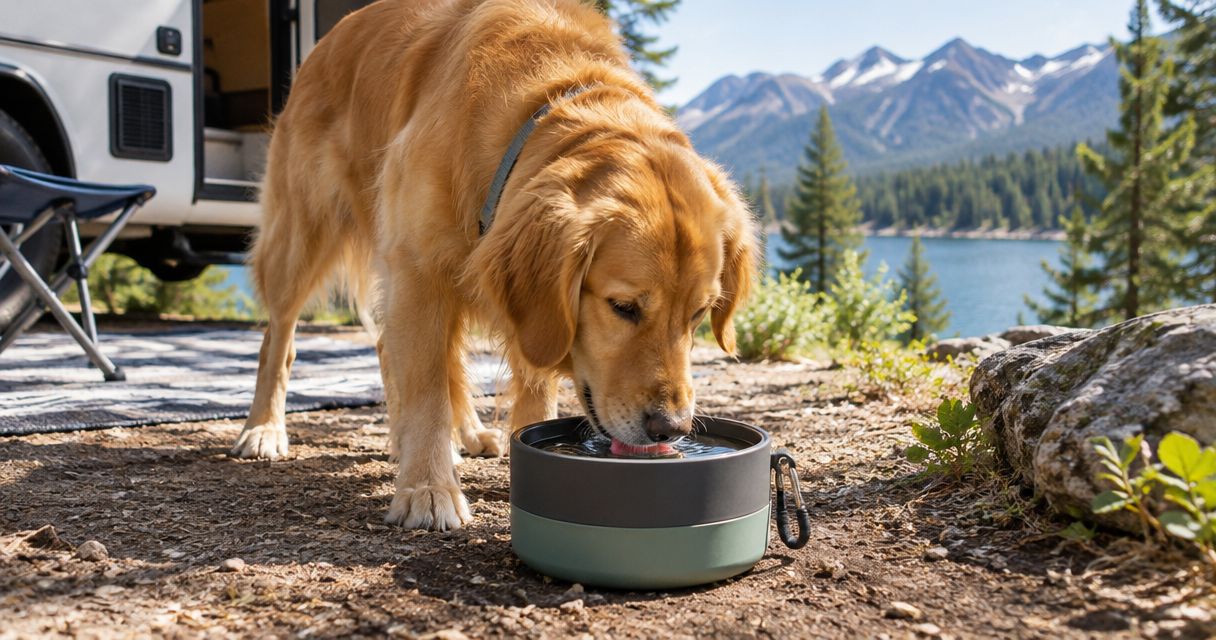
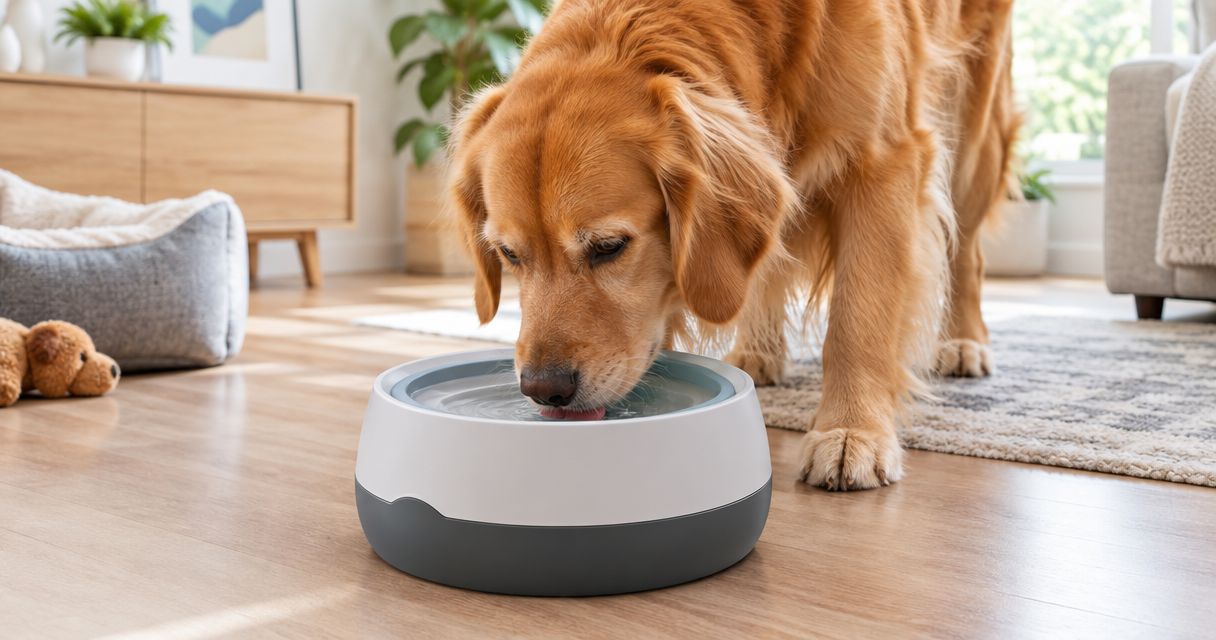
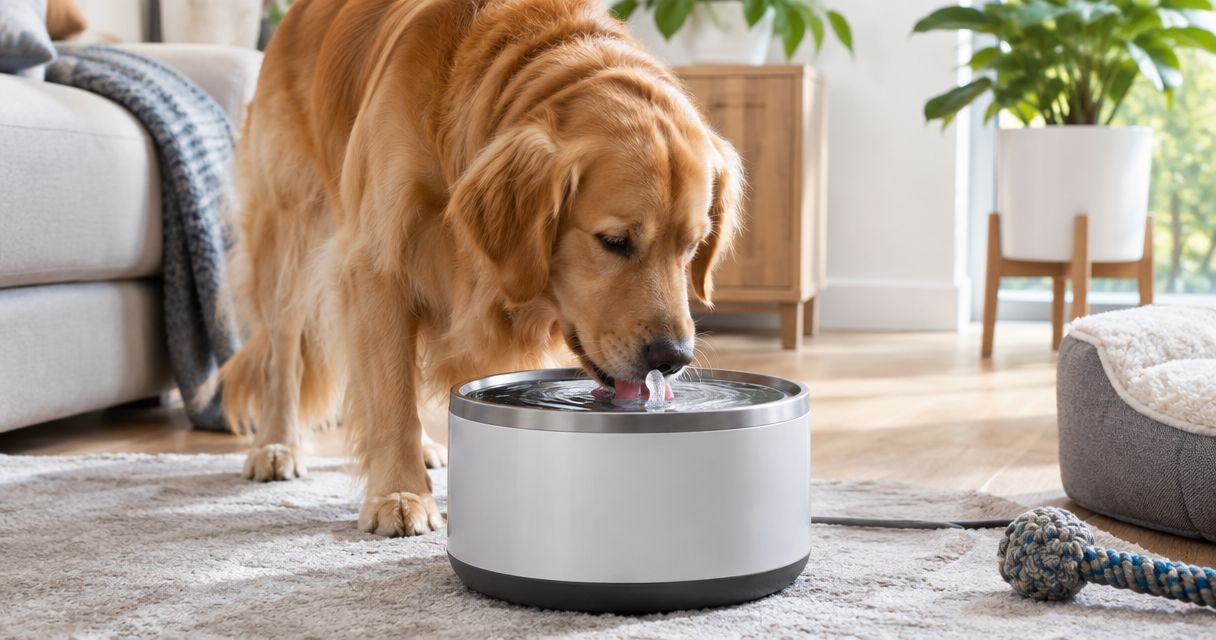
A water bowl belongs beside this routine, not inside the grooming-tool category. The listed Dog Drinking Water Bowl with Floating Design - Non-Wetting, Non-Skid, Large Capacity names a floating design and other features, but its title does not prove that every puppy will leave the floor dry. Assess access, stability, and cleaning rather than treating “non-wetting” as a guarantee.
Common mistakes first-time puppy owners make
Buying for attachment count instead of coat needs
An attachment is useful only when it suits a task you understand. Start with your puppy’s coat-care plan, then check the contents of a kit against it. Leave out tools you cannot yet use safely.
Treating a puppy like a smaller adult dog
Small equipment alone does not solve handling challenges. Your puppy needs gradual introductions to touch, sound, and movement. Avoid combining a first bath, first nail trim, and first clipper session into one demanding event.
Assuming a clean-looking paw is dry
Removing visible mud does not remove moisture from the surrounding fur. Keep the towel stage in your routine, and inspect the floor before letting your puppy move away. A paw cleaner does not eliminate this step.
Cutting tangles close to the skin
Do not slip household scissors beneath a tight mat. Skin can be difficult to distinguish from tangled hair, especially when a puppy moves. Let a groomer assess the area rather than turning a cosmetic problem into an injury.
Expecting a product label to guarantee no mess
“Non-wetting,” “mud-free,” and similar phrases do not establish an absolute result. Choose products by verified features, fit, and cleaning instructions. Plan for splashes, damp towels, and ordinary cleanup regardless of the wording on a listing.
FAQ
What's the best dog grooming kit for puppies when I'm a beginner?
The best starting kit contains a coat-appropriate brush or comb, towels, and supplies for gentle cleanup. Add cutting or powered tools only when you understand the task and have suitable instructions.
Do I need electric clippers for my puppy?
You do not need electric clippers simply because you have a puppy. Ask a groomer whether your puppy's coat needs clipping and which tasks are appropriate for you to learn at home.
Is a nail grinder better than puppy nail clippers?
Neither tool is better for every puppy or owner. A grinder introduces sound and vibration, while clippers require careful positioning; get a demonstration before choosing either.
Can I use a dog paw cleaner on a small puppy?
Use a paw cleaner only after checking its fit, instructions, and your puppy's comfort with it. A soft cloth and water are a simpler starting point when product dimensions or suitability are unclear.
Does hdb0t7-yb.myshopify.com list a puppy-specific grooming kit?
The supplied listing names a 4 in 1 Electric Pet Grooming Kit for cats and dogs, not a puppy-specific kit. Confirm age suitability, attachments, and operating instructions before choosing it for a puppy.
How often should I groom my puppy in 2026?
Set your puppy's grooming routine by coat type, activity, and professional advice rather than the calendar year. Check for dirt and tangles regularly, and ask your groomer which tasks need a recurring schedule.
When should I stop grooming and call a professional?
Stop when your puppy shows pain, you find a wound or damaged nail, or you cannot safely assess a tangle or cutting area. A veterinarian handles health concerns, while a groomer can help with coat care and technique.
One last thing
Store the towel where the mud enters, not where the shampoo lives. A reachable cloth, a dry towel, and a secure place to stand make everyday paw cleanup easier to begin. Build that habit before adding another powered attachment to your 2026 grooming kit.